Susanne Kriemann - Ray
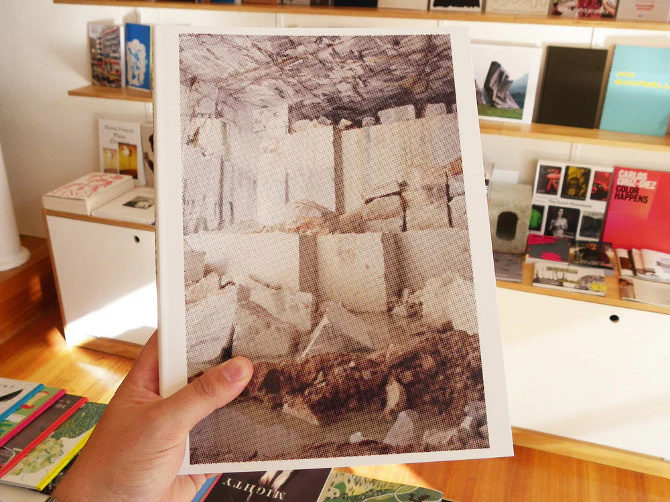
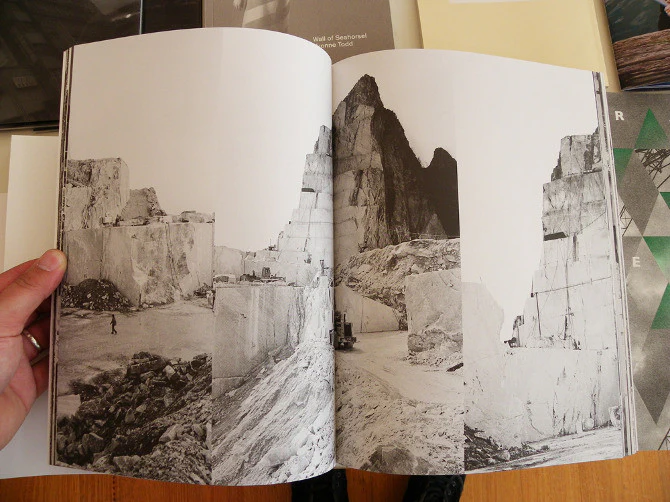
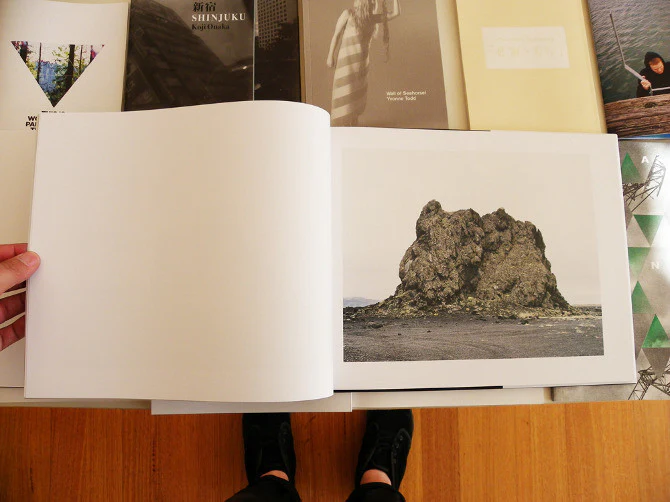
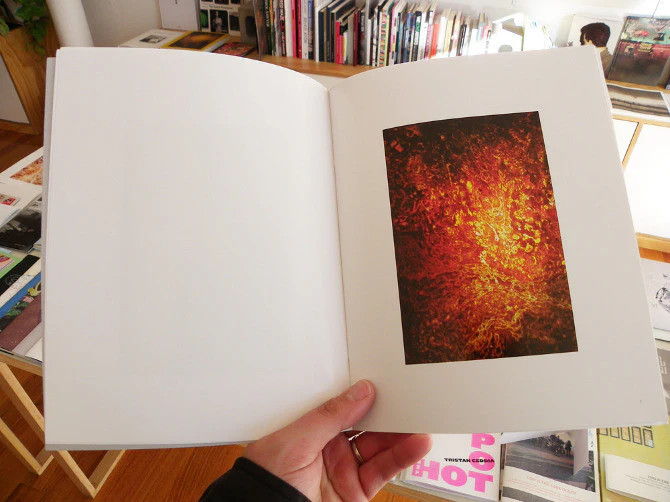
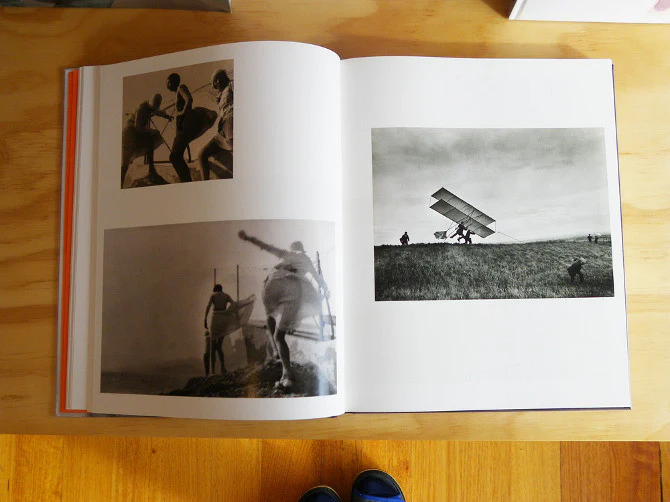
Susanne Kriemann examines a radioactive rock discovered in the Barringer Hill Mine in Llano, Texas, in the late 1800s. We see a photograph of a large rock (a single chunk of gadolinite), and then another image of a wall of rocks, signalling the importance of the threshold to Kriemann’s work. She focuses on the material and mystical limit of knowing and seeing – on how a narrative loops through archaeological layers without ever finding its source. Presently, the mine lies beneath a lake; its mirrored surface resembles the photographic lens, but the eye, ours and the rock’s, exists on both sides. Can a rock convey history? What does it mean to document what one cannot literally see? Thanks to Roma Publications (Amsterdam).
120 pages, 15 x 21 cm, paperback, Roma Publications (Amsterdam).
Product Information
Product Information
Shipping & Returns
Shipping & Returns


Susanne Kriemann - Ray
Susanne Kriemann - Ray
Susanne Kriemann examines a radioactive rock discovered in the Barringer Hill Mine in Llano, Texas, in the late 1800s. We see a photograph of a large rock (a single chunk of gadolinite), and then another image of a wall of rocks, signalling the importance of the threshold to Kriemann’s work. She focuses on the material and mystical limit of knowing and seeing – on how a narrative loops through archaeological layers without ever finding its source. Presently, the mine lies beneath a lake; its mirrored surface resembles the photographic lens, but the eye, ours and the rock’s, exists on both sides. Can a rock convey history? What does it mean to document what one cannot literally see? Thanks to Roma Publications (Amsterdam).
120 pages, 15 x 21 cm, paperback, Roma Publications (Amsterdam).
Product Information
Product Information
Shipping & Returns
Shipping & Returns
Description
Susanne Kriemann examines a radioactive rock discovered in the Barringer Hill Mine in Llano, Texas, in the late 1800s. We see a photograph of a large rock (a single chunk of gadolinite), and then another image of a wall of rocks, signalling the importance of the threshold to Kriemann’s work. She focuses on the material and mystical limit of knowing and seeing – on how a narrative loops through archaeological layers without ever finding its source. Presently, the mine lies beneath a lake; its mirrored surface resembles the photographic lens, but the eye, ours and the rock’s, exists on both sides. Can a rock convey history? What does it mean to document what one cannot literally see? Thanks to Roma Publications (Amsterdam).
120 pages, 15 x 21 cm, paperback, Roma Publications (Amsterdam).